102 - Incipient Level - Combustion & Fire Behavior
Combustion and Fire Behavior is the second title in Action Training Systems' 12 part Incipient Level series for industrial fire brigades, and SkillsTrain supplies it locally as ATS's authorised distributor. ATS is a United States training producer that has made fire and industrial training content since 1988.
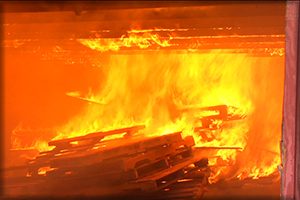
The module covers the science a brigade member needs in order to read a fire correctly before choosing a response: the combustion process and the Fire Tetrahedron (the four elements fire needs, fuel, heat, oxygen and the chemical chain reaction), the states of fuel, the types of heat energy and the ways heat transfers, and the stages of fire development, including how to recognise a fire while it is still in the incipient or early stage. It also covers the products of combustion, the factors that drive fire development and the especially dangerous fire conditions a responder must watch for.
It belongs to ATS's Incipient Level pathway, which is built to NFPA 1081 and NFPA 600. NFPA 1081 is the United States National Fire Protection Association standard for industrial fire brigade member qualifications, and NFPA 600 is its standard for facility fire brigades, so the content maps to recognised benchmarks rather than one supplier's view. Like every ATS title it uses a teach, test and track method: the learner is tested as they go, and a wrong answer stops the video and replays that section before letting them continue, rather than simply marking it incorrect.
It is available on its own or as part of the full 12 title Incipient Level series, on USB, DVD, streaming video or through the ATS interactive online catalogue, and a facilitator guide with editable PowerPoint slides is available separately for instructors running a classroom programme. Who it is for: industrial fire brigade members building foundational fire science before moving on to the equipment and tactics titles later in the series.
Frequently Asked Questions
What is the Fire Tetrahedron?
It is the model of the four elements a fire needs to burn, fuel, heat, oxygen and a sustaining chemical chain reaction. Removing any one of the four is what puts a fire out, which is why the module teaches it before extinguisher and suppression tactics.
What does incipient stage mean?
The incipient stage is the earliest phase of a fire, when it is small and most controllable. Recognising it early is the point of this Incipient Level pathway.