Bloodborne and Airborne Pathogens
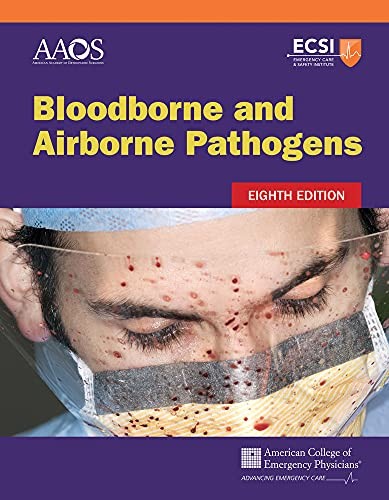
Bloodborne and Airborne Pathogens is ECSI's workplace safety manual covering the risk of exposure to bloodborne and airborne pathogens, and SkillsTrain is the authorised distributor supplying it into Africa. ECSI, the Emergency Care and Safety Institute, is the Jones and Bartlett family's training brand for first aid and workplace safety courses.
The course covers how workers can be exposed to infectious material on the job and the precautions and procedures that reduce that risk. For bloodborne pathogens this means the diseases carried in blood and certain body fluids, such as hepatitis B, hepatitis C and HIV, and the controls that limit exposure: standard precautions that treat all blood as potentially infectious, personal protective equipment such as gloves and eye protection, safe handling and disposal of sharps, decontamination of surfaces and spills, and what to do after an exposure incident. This content aligns with the kind of exposure control plan required by the United States Occupational Safety and Health Administration bloodborne pathogens standard, OSHA 29 CFR 1910.1030.
For airborne pathogens the course addresses infection that spreads through the air, such as tuberculosis, and the respiratory protection, ventilation awareness and isolation practices that reduce transmission. The training is designed to leave any worker whose role carries exposure risk able to protect themselves, their colleagues and the public.
It is commonly used to deliver the initial and the annual refresher exposure training that at risk staff are expected to complete.
Who it is for: workplaces and first aid teams needing a formal bloodborne and airborne pathogens exposure control course. SkillsTrain supplies this as ECSI's published work.
Frequently Asked Questions
What is this course about?
Workplace exposure risk from bloodborne pathogens such as hepatitis B, hepatitis C and HIV, and airborne pathogens such as tuberculosis, and the precautions that reduce that risk.
What controls does it cover?
Standard precautions, personal protective equipment, safe sharps handling and disposal, decontamination, respiratory protection and post exposure procedures, in line with recognised exposure control practice.
Who needs this training?
Workplaces and first aid teams where staff may be exposed to blood, body fluids or airborne pathogens on the job.